


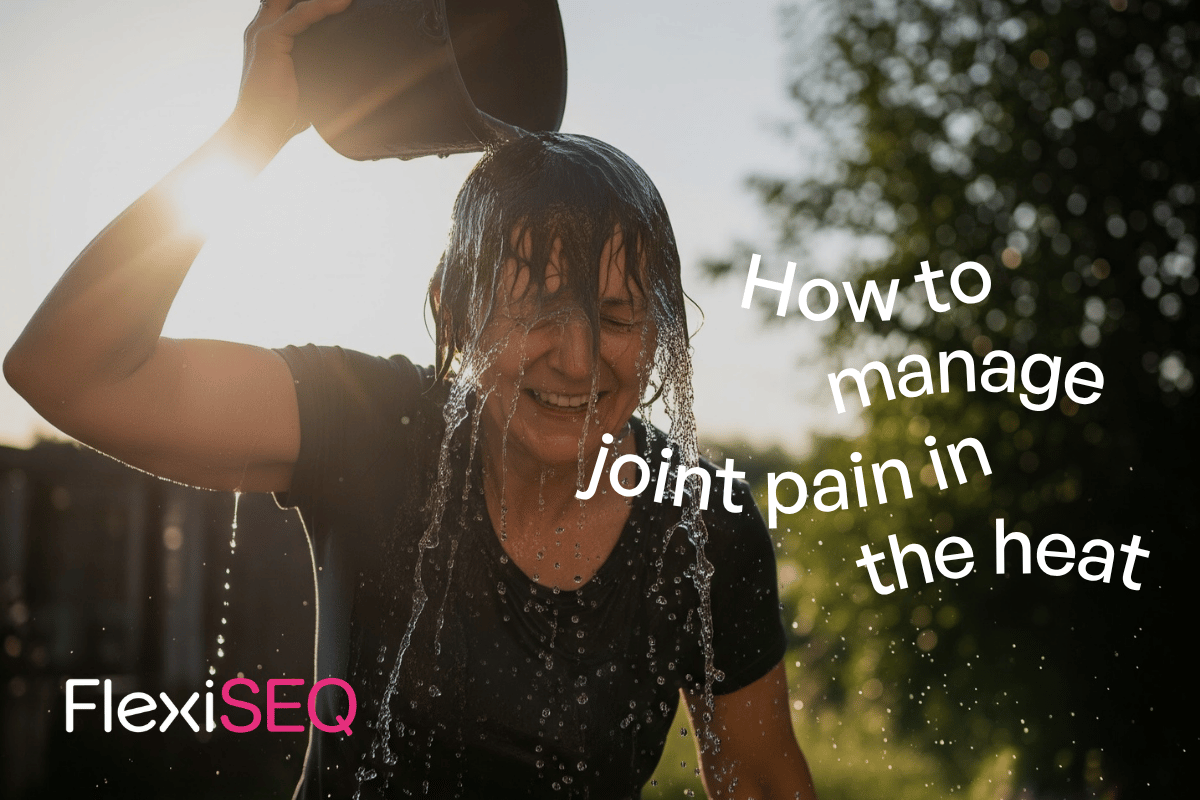
Summer is here, the days are longer, and you might be looking at spending more time outdoors and staying physically active. Movement can be terrific for your joints, and it’s great to take advantage of more opportunities to exercise, but hotter weather can also make joint pain more difficult to manage. You may even notice more swelling and discomfort after spending more time being active outdoors.
Weather affects different people in different ways. Cold weather can certainly increase joint stiffness in some, others could find that the heat and humidity can too. Your symptoms could even simply fluctuate throughout the year.
The better you understand how warmer weather affects your body, the better you can manage discomfort and support your joints throughout the summer months.

Why Does Heat Affect Joint Pain?
Heat itself doesn’t necessarily cause damage to your joints, but there are a few reasons warmer weather can make pain or stiffness worse and more noticeable.
A major factor here is often activity levels. During the summer, many people naturally end up moving more. We spend more time walking, gardening, exercising, or just enjoying the outdoors in general for longer periods of time. While movement is wonderful for your joint health and maintaining mobility, overdoing it can leave already sensitive joints feeling sore and overworked.
Hot weather can also contribute to dehydration, which can affect joint lubrication by reducing the production of synovial fluid, increasing swelling (particularly in hands, feet, and knees), and causing fatigue, all of which can directly impact muscle function and make it harder for them to support joints properly.
Wear Loose, Comfortable Clothing
You should wear loose, comfortable clothing. If your clothes are tight or restrictive, they will trap heat, leaving you even warmer and more uncomfortable. Light, breathable fabrics like cotton or linen in loose fitting styles can allow air to circulate more easily and help to prevent overheating.
Plus, comfortable clothing makes movement easier, which is very important when trying to stay active without aggravating sensitive joints.
Supportive footwear is crucial, especially when you’re walking more. Cushioned, well fitting, supportive shoes help to reduce strain on your knees, hips, and ankles, which tend to bear a lot of weight and take on the bulk of the impact with each step you take.
Staying Cool
Keeping your body temperature manageable can help to significantly reduce discomfort and fatigue.
Some things you can do to try to stay cool throughout the day:
- Stay in shaded areas where possible
- Use fans to circulate cool air around your home, or use a portable handheld fan when out and about
- Avoid intense activity during the hottest parts of the day
- Stay hydrated, drinking plenty of water is always important, and cold drinks can help when you’re feeling hot
- Take regular breaks when you’re active, particularly if you’re outdoors
- Cool showers can help cool you down and soothe aching muscles
If you exercise regularly, it’s often more comfortable to move around during the morning or later in the evening, before and after the heat of the day reaches its peak.
Use ice packs if your joints feel swollen, hot, or sore, especially after being active. An ice pack or a cold compress can reduce swelling and inflammation, all while easing discomfort. Be sure to wrap ice packs in a cloth or a towel rather than applying them directly to your skin.
Cooling gels or topical treatments, like FlexiSEQ, might also be soothing during warmer weather.
Stay Hydrated
Hydration is always important, but especially during hot weather. Water helps to support many important functions in the body including circulation, muscle function and recovery, and the production of synovial fluid, which keeps your joints lubricated.
When you’re dehydrated your muscles can tire far more easily, and joints might feel stiffer and less comfortable. Drinking regularly throughout the day is more effective than trying to drink a large amount in one sitting.
Water is usually the best option, but herbal teas and water-rich foods are also great for staying on top of your fluid intake – things like watermelon, cucumber, and oranges are ideal.
Alcohol and sugary drinks sometimes worsen dehydration, so it may be best to limit these during particularly hot days.
Keep Moving
Even if your joints are feeling a little uncomfortable, keeping active is still very important for maintaining mobility, supporting joint lubrication, and strengthening the muscles around your joints.
The key is to make sure you pace yourself. Instead of pushing yourself to get through long periods of activity, try the following:
- Break tasks down into smaller chunks
- Take movement breaks
- Rest between activities
- Try lower-impact exercises like swimming and stretching
Swimming and aquarobics can be really helpful during summer, as the water supports your joints and helps keep your body cool.
Always Listen To Your Body
Hot weather can affect energy levels as well as your joints. If you notice that your body is struggling, it’s important to slow down and rest when needed.
Signs to watch out for:
- Increased swelling
- Sharp or worsening pain
- Dizziness
- Fatigue
- Muscle cramps
Managing joint pain during heat can feel like a real balancing act: staying active enough to support joint mobility while also allowing your body enough time to recover.
Supporting Your Joints Through Summer
Warmer weather can affect joint pain in a variety of ways, but even just minor adjustments can make a major difference. Staying hydrated, dressing comfortably, pacing your activity, and keeping cool can help reduce discomfort and support mobility during the hotter months.
Alongside maintaining healthy habits and regular movement, topical treatments like FlexiSEQ may also help support comfortable movement by reducing friction in the joints.
Summer should still be a great time to enjoy being active and spending time outdoors, even if you need to approach things a little differently.