


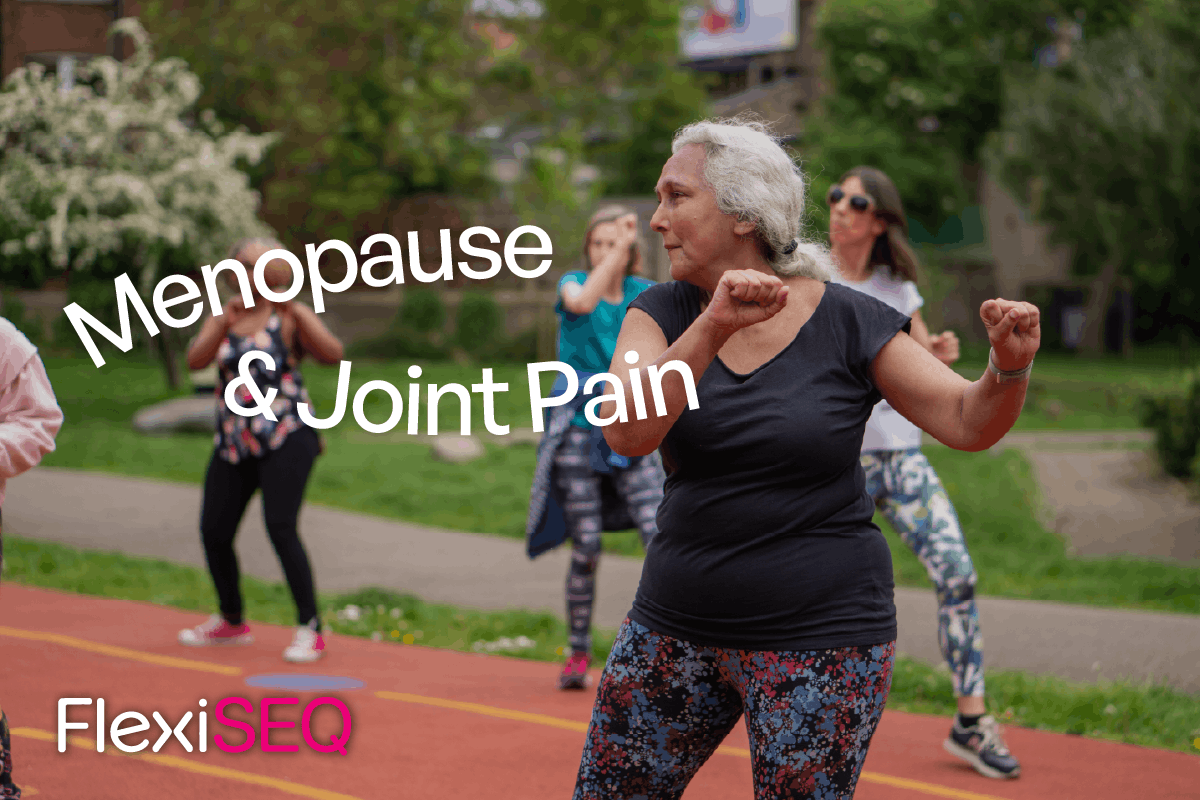
Menopause can bring many, many changes to the body. Hot flushes, mood swings, and sleep issues often take centre stage, but joint pain is also an underdiscussed possibility. You might begin to experience stiffness and aches, even if your joints have generally been fine in the past.
Understanding why it happens and how you can take action against it can really make a difference to how your joints feel and how much soreness you experience.

Why Menopause Affects Your Joints
One of the primary causes for joint pain appearing during menopause is lower oestrogen levels. Oestrogen doesn’t just play a role in reproductive health, it helps to control some of the inflammation in the body, and to keep tissues around your joints healthy. Falling oestrogen levels can mean inflammation, stiffer joints, and less natural lubrication.
On top of that, menopause comes with other changes that might affect joint health:
- Muscles can lose some strength which reduces the support around your joints.
- Connective tissues can become less flexible, leading to more restricted movement.
- Weight gain is common, and this can add extra pressure to weight bearing joints such as your knees, hips, and lower back.
All of this together can also make joints feel more sensitive and uncomfortable than usual.
Osteoarthritis & Osteoporosis
When oestrogen lowers in the body it can lead to certain conditions arising if you are genetically predisposed to them. What is key is to understand the difference between certain conditions.
Osteoarthritis is a condition that sees the cartilage between the joints begin to deteriorate. Cartilage is the key cushioning between the bones that form two joints. When this starts to break down it can lead to pain, stiffness and reduced mobility in the impacted joint.
Osteoporosis, on the other hand, affects the bones themselves. It causes bones to become weaker and more fragile, increasing the risk of fractures, often without obvious symptoms at first. This is a condition that often is only discovered when a simple fall occurs and the now brittle bones are more easily broken.
Both conditions can become more common after menopause because of lower oestrogen levels, but they are very different issues. In this article, we’re focusing primarily on osteoarthritis and joint pain, looking at how menopause can influence stiffness, discomfort, and the long-term health of your joints.
What You Can Do:
The good news is that there are practical steps you can take to protect your joints and your mobility during this stage of life.
Keep Moving
It may feel a little counterintuitive, but even when they feel stiff, movement is one of the best ways to help your joints. Regular activity, even gentle activity, can improve lubrication in the joints, reduce stiffness, and strengthen the muscles supporting your joints.
Low impact exercises like walking, swimming, yoga, or even just making sure you regularly stretch well are great. They keep your joints moving without putting massive amounts of strain on them. Start as small as you need to, build gradually, and focus on staying consistent rather than attempting intense and strenuous activity.
Anti-Inflammatory Diet
Diet can play a huge role in managing inflammation!
As well as cutting back on highly processed food, excess sugar, and alcohol, there are foods you can eat that can help minimise inflammation:
- Fruits and vegetables
- Oily omega-3 rich fish
- Nuts and seeds
- Whole grains
Stay Hydrated
Water isn’t just for quenching your thirst: it helps to lubricate joints, support cartilage, and keep movement smooth. Even mild dehydration can have a noticeable effect on your joints, causing them to feel stiffer. Keeping on top of your water intake and drinking regularly throughout the day is simple but very important and effective.
Support Your Muscles
Strong muscles help take some of the strain off your joints, reducing aches and pains. Gentle strength exercises can make a noticeable difference. If you’re just starting out, you could consider some bodyweight exercises, like squats and lunges.
Hormone Replacement Therapy
Hormone replacement therapy (also known as HRT) is used to replace falling oestrogen, and helps to manage symptoms that come with perimenopause and menopause. It can also be effective for easing joint pain caused by menopause. If you think it sounds like it might be helpful for you, it’s worth discussing with your doctor to see if it’s suitable.
Extra Support with FlexiSEQ
Together with exercise, diet, and hydration, topical treatments like FlexiSEQ really help to support joint health. When used alongside a healthy lifestyle, it’s a simple way of caring for your joints.
Small Changes, Big Difference
Joint pain during menopause might feel a little unexpected and even frustrating with the other changes you might be experiencing, but it’s a common and manageable part of this life stage. According to a 2024 study, up to 70% of women will experience musculoskeletal symptoms.
Once you understand what’s happening in your body, you can start making small, consistent actions to support your joint health, such as staying active, eating well, and keeping hydrated, all of which help maintain mobility and reduce discomfort. Incorporating gentle, regular and consistent movement and a balanced lifestyle can naturally support joint mobility, improve flexibility, and help to significantly relieve discomfort.
Menopause may bring changes, but taking some steps to look after yourself and your joints can help you to stay active in the years ahead.